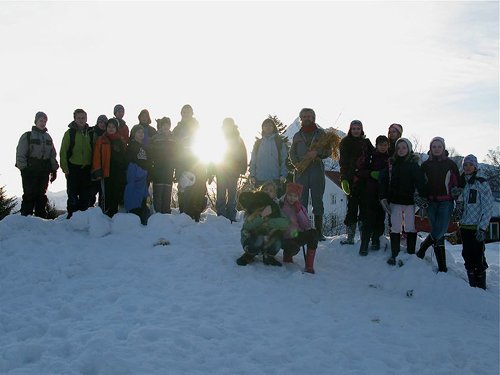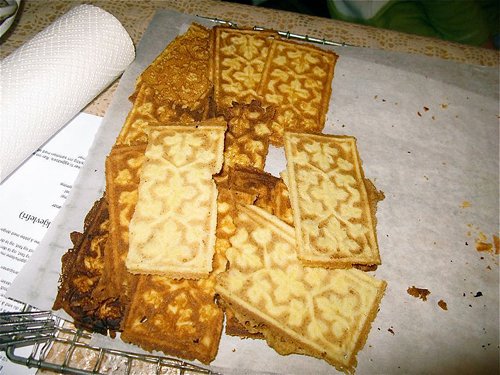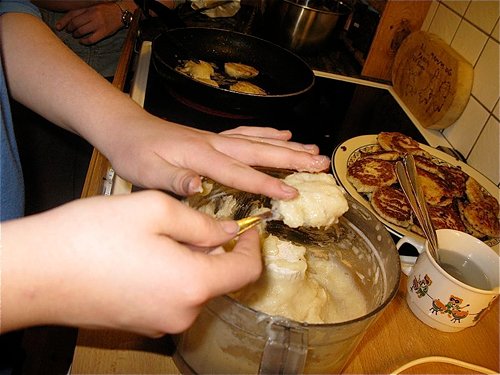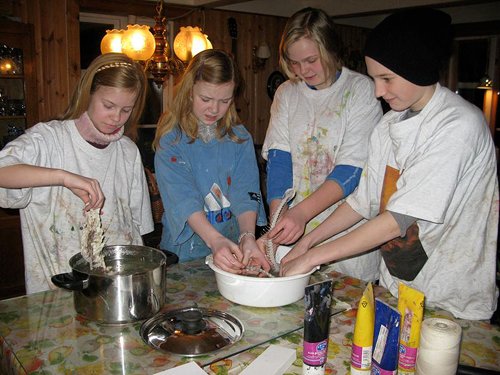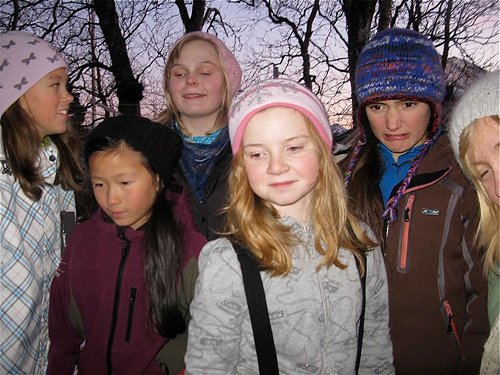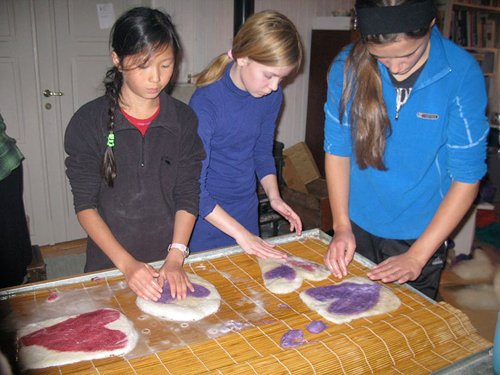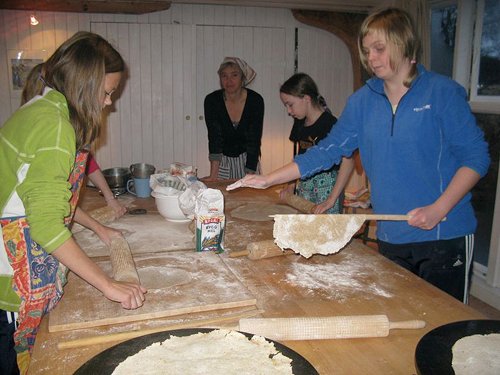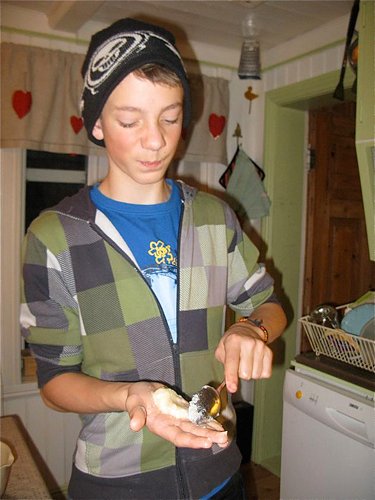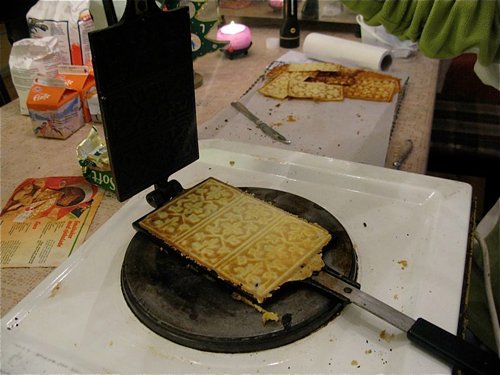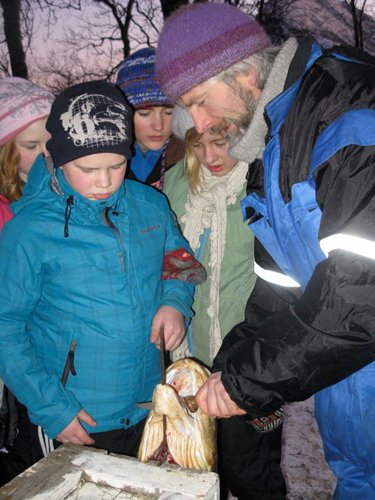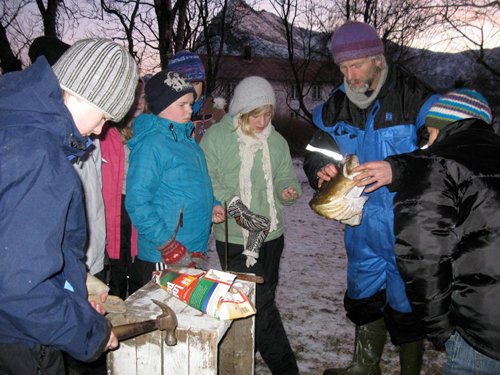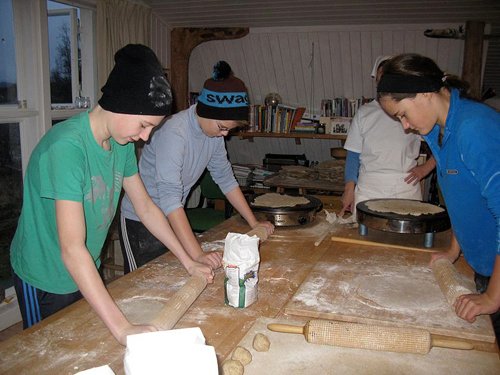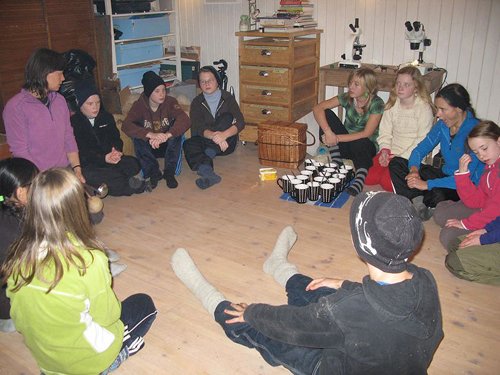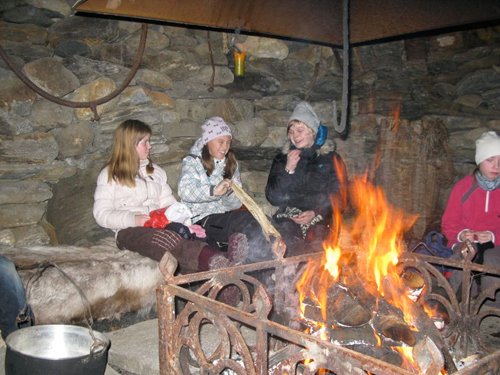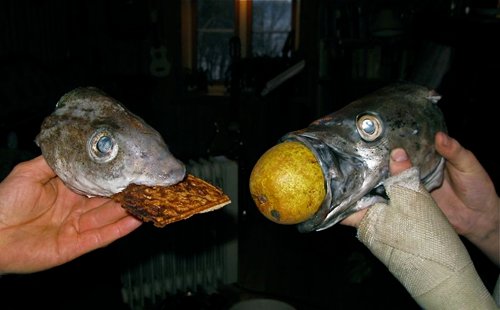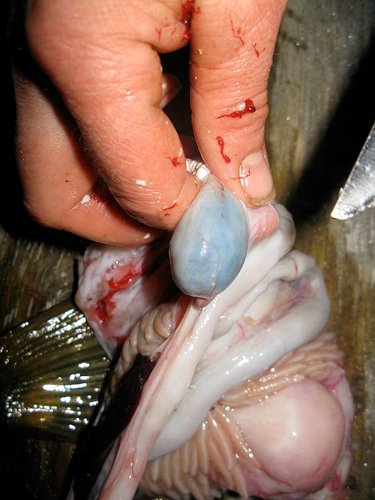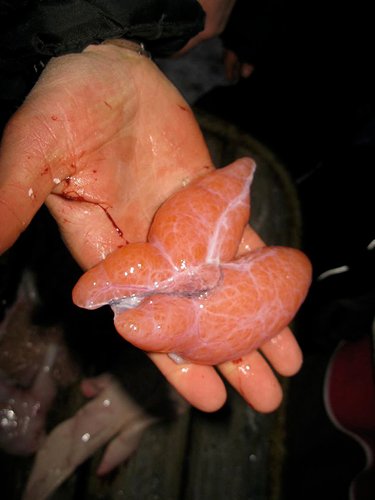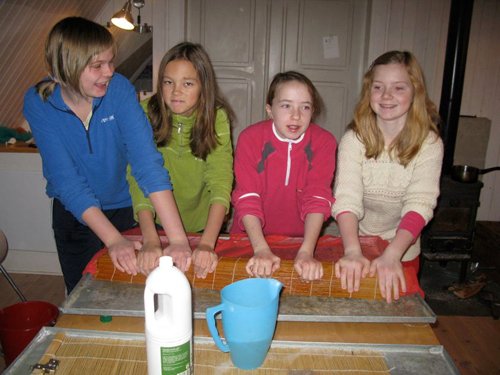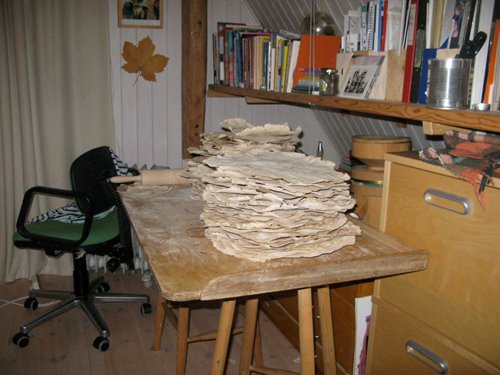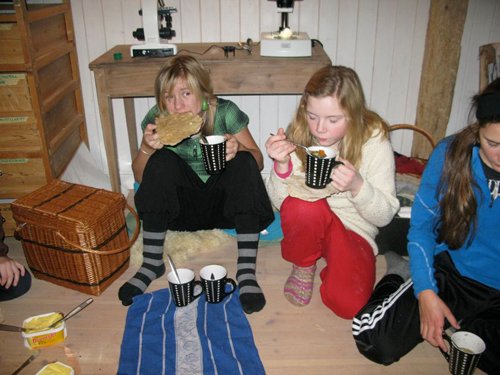
This was an art and ecology project created in collaboration with Eva Hansen and Ketil Erdal at Skagstad Farm, with pupils from Laskestad School on Engeløya, Norway. The project lasted for one school year. We met at the farm every two weeks and divided into groups, working on different activities, including preparing and sharing meals made from locally sourced ingredients. The project placed strong emphasis on practical and aesthetic learning, understanding through direct experience. A typical day began in the old forge, where students gathered around an open fire. After an introduction to the day’s theme, they divided into three groups and rotated activities, with each session lasting about an hour.
The aim of the project was to explore how climate change may be affecting the local marine ecosystem in the Vestfjord. We studied the coastal cod population, looking at changes in numbers, size, quality, and migration patterns. We also examined how human activity and pollution are influencing food traditions along the Northern Norwegian coast.
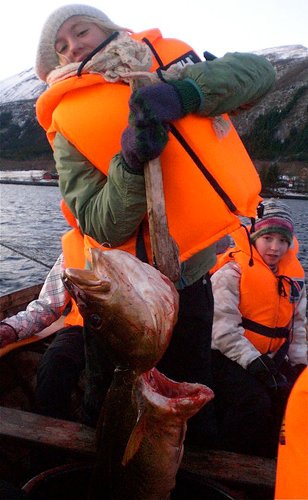
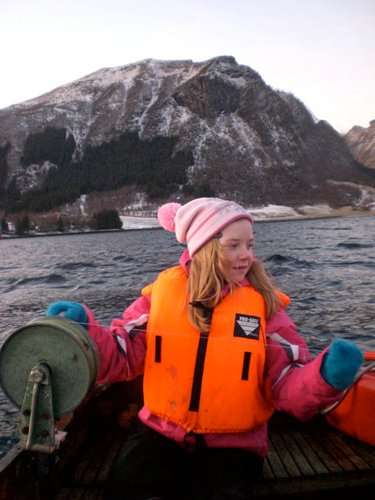
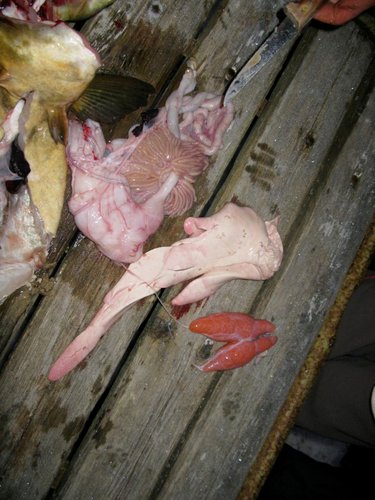
A hundred years ago, there was a close connection between nature, food, and nutrition. Today, modern lifestyles and economic growth have disrupted the balance of ocean ecosystems. Through the project, students gained a deeper understanding of the ocean’s importance to their community, both in the past and present. They went on fishing trips, made their own fishing lines and drying racks, and learned different ways of preparing and cooking the fish they had caught. We also explored current challenges in the coastal fishing is facing, including resource transport, climate change, and the impact of oil production and fish farming on coastal communities.
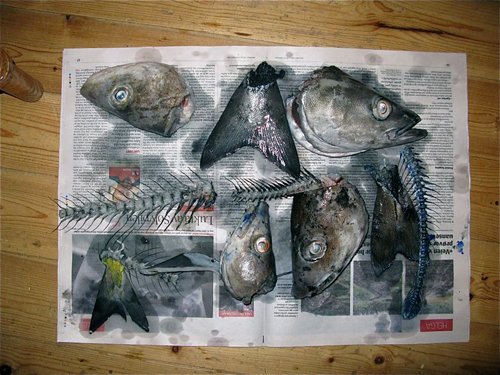
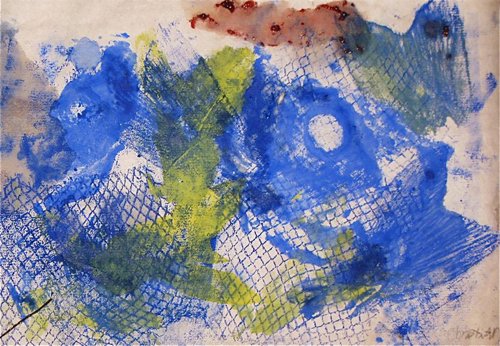
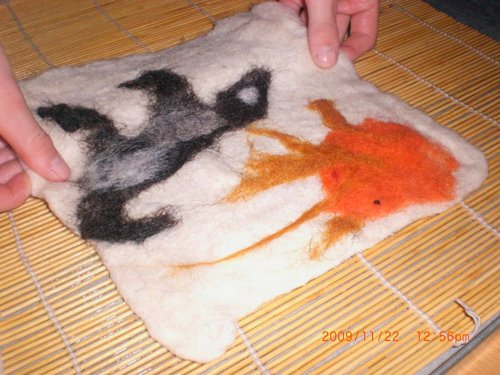
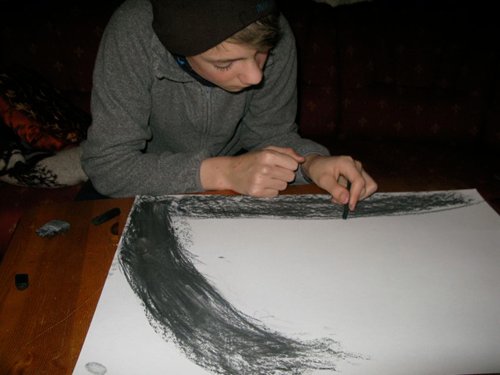
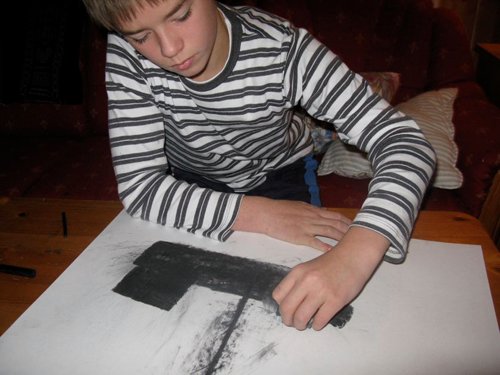
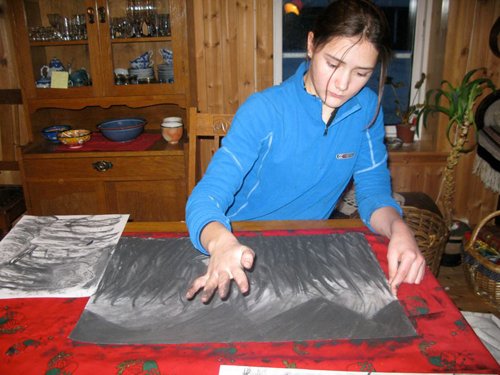
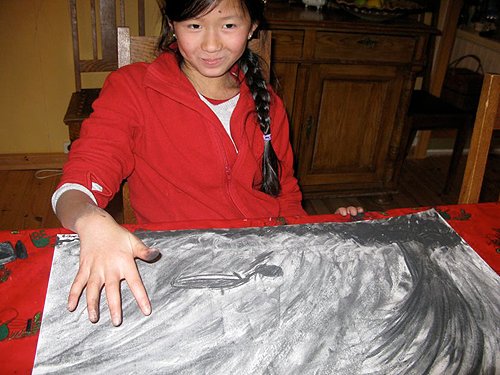
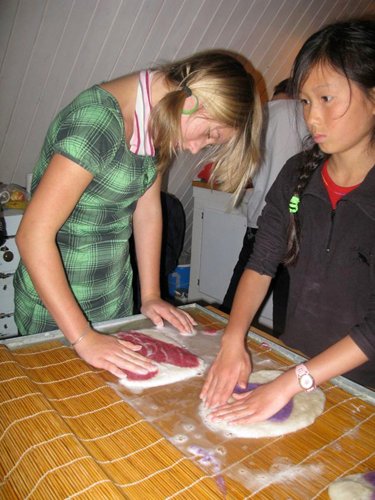
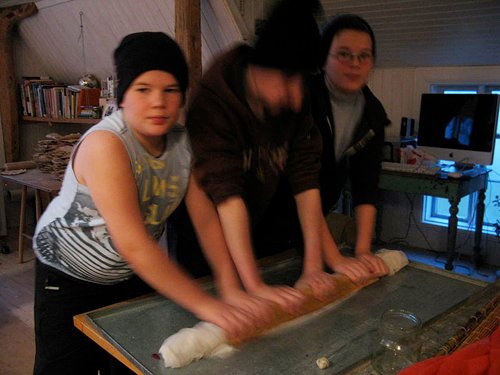
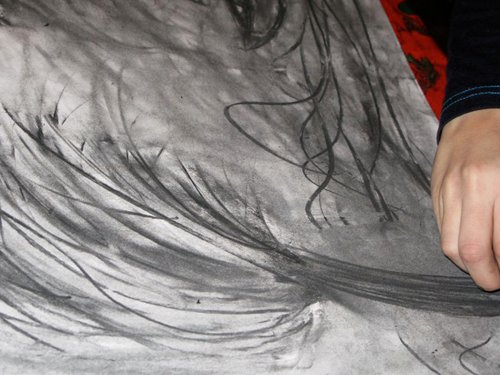
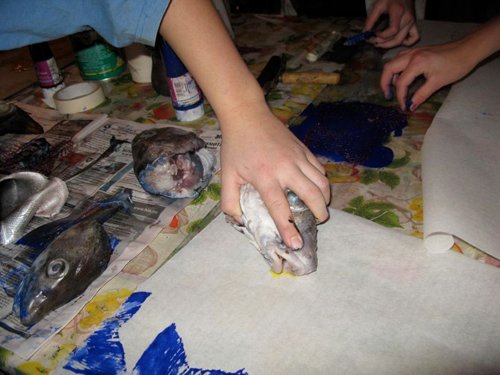
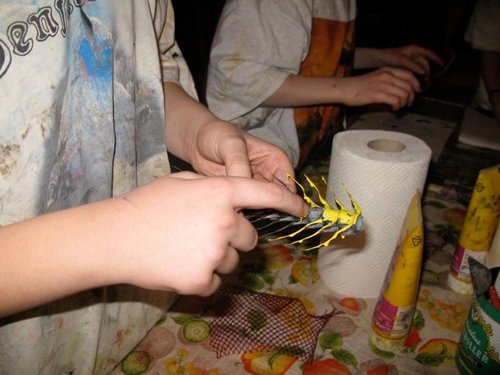
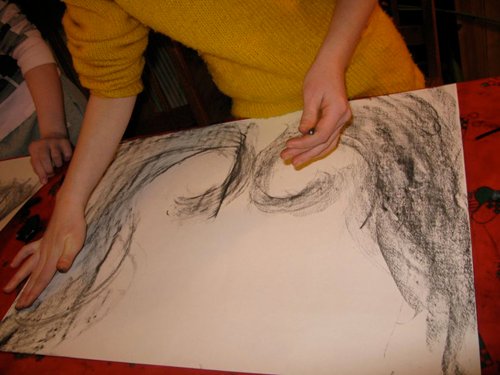
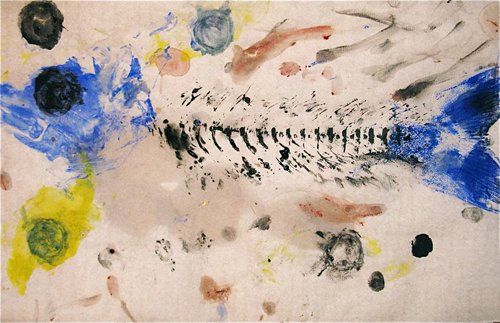
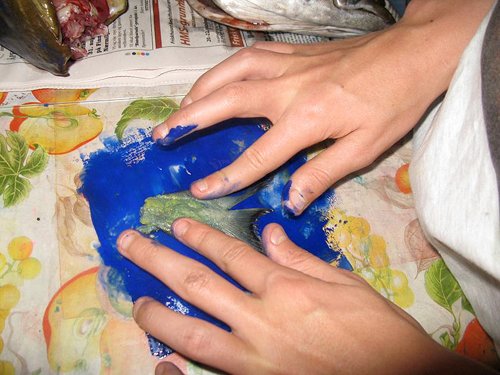
Alongside scientific learning, the pupils worked artistically with these themes. They made prints using fish bones, created charcoal drawings of troubled seas, felted wool, and painted with watercolours and ink.
The recipes are available in a downloadable booklet in Norwegian only.